Cryptocurrency Integration and Shifts in Reward Allocation for Online Gaming Ecosystems
Jakob Reed · Sep 13, 2026
Cryptocurrency Integration and Shifts in Reward Allocation for Online Gaming Ecosystems
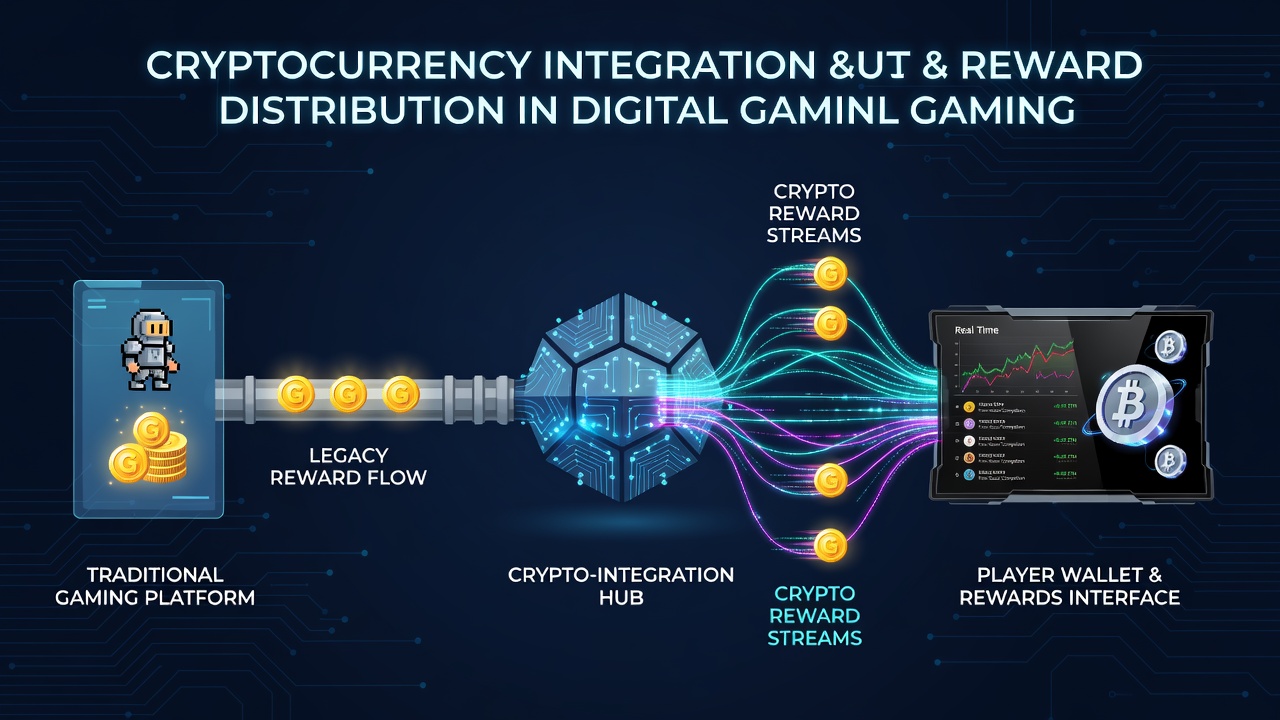
Digital gaming platforms have incorporated cryptocurrency mechanisms that modify how rewards reach participants, and these changes appear across multiple genres from mobile titles to massive multiplayer environments. Blockchain ledgers record transactions in real time while smart contracts execute distributions based on predefined conditions rather than centralized decisions by studio operators.
Traditional Reward Systems Compared to Blockchain Methods
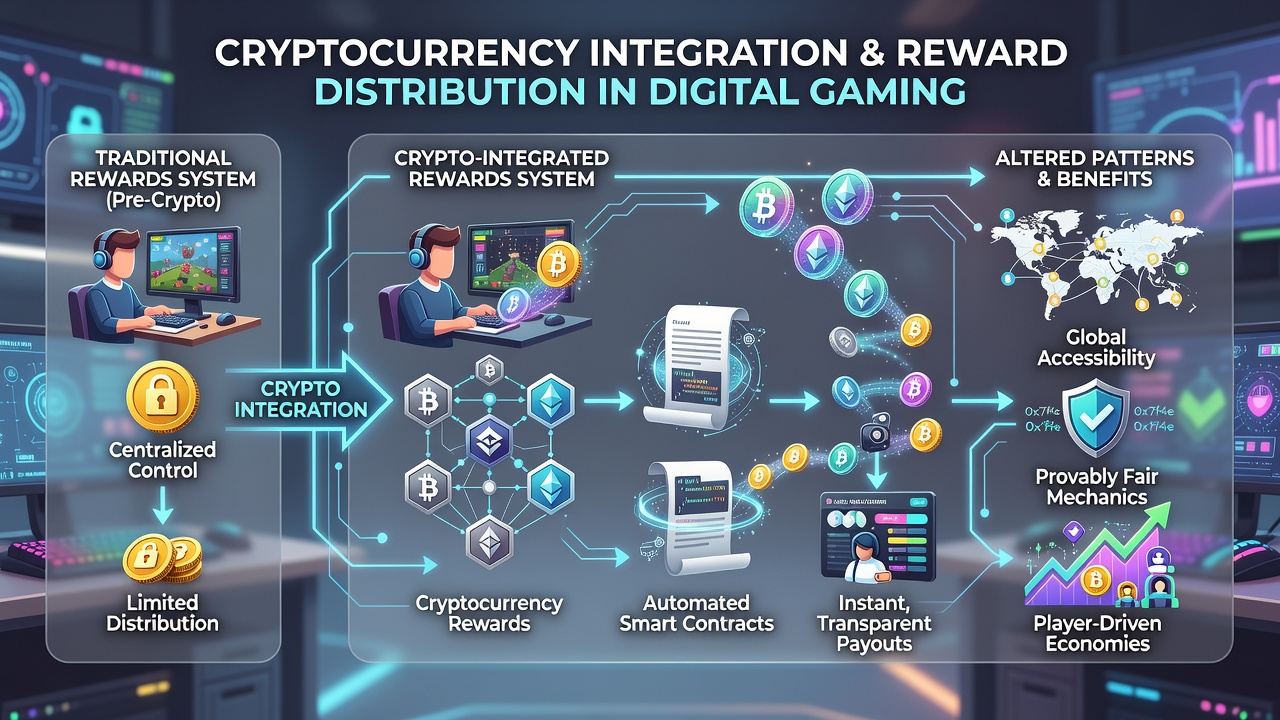
Older models relied on company servers to track player achievements and issue virtual goods or currency through internal databases, yet those systems often required manual oversight and created single points of failure during peak events. Cryptocurrency integration replaces portions of that infrastructure with distributed verification, and observers note that token transfers occur directly between wallets once on-chain criteria such as level completion or tournament placement are met.
Researchers at several institutions have documented faster settlement times when platforms adopt these methods, while data from industry reports indicate reduced administrative overhead because automated scripts handle what previously demanded staff intervention. Players receive assets that carry verifiable ownership histories, and this traceability extends to secondary markets where items trade without platform intervention in some cases.
Smart Contracts and Automated Distribution Patterns
Smart contracts function as self-executing code stored on blockchains, and they trigger reward releases when game events satisfy coded parameters such as defeating a boss or accumulating specific metrics. This automation alters timing because payouts no longer wait for batch processing cycles that traditional systems once required. Developers program conditions that can include random elements or community votes, and the result is distribution schedules that adapt dynamically rather than follow fixed calendars.
One documented instance involved a platform that used Ethereum-based contracts to allocate seasonal prizes, and transaction logs showed even allocation across thousands of addresses within minutes of event closure. Such speed contrasts with legacy methods where manual reviews extended delays by days, and analysts tracking these patterns report measurable differences in player engagement metrics during the weeks following implementation.
Transparency Metrics and Player Access to Data
Public ledgers allow anyone to inspect reward flows, and this visibility changes how participants evaluate fairness compared to closed systems where only operators viewed allocation statistics. Studies from European research groups have examined participation rates after platforms published on-chain data, and figures reveal increased retention among users who previously expressed concerns about opaque prize pools. Regulatory bodies in Australia and Canada have issued guidance encouraging disclosure standards that align with these transparent records, and compliance reports from September 2026 note growing alignment between gaming operators and these expectations.
Token holders sometimes participate in governance votes that decide future reward parameters, and this shifts decision-making away from studio teams alone. Data collected by academic observers shows varied outcomes depending on community size, yet the structural change remains consistent across implementations.
Geographic and Regulatory Influences on Adoption
Different jurisdictions apply distinct rules to tokenized rewards, and operators adjust distribution mechanics accordingly to maintain access in multiple markets. The European Securities and Markets Authority has published papers outlining expectations for platforms that issue digital assets as incentives, while Canadian provincial regulators have focused on consumer protection disclosures tied to volatility. These frameworks influence how rewards convert between cryptocurrencies and fiat equivalents, and platforms respond by building multi-chain support that accommodates regional preferences.
Industry associations tracking global adoption report that platforms operating across borders often maintain separate reward pools denominated in stablecoins to reduce exchange rate fluctuations for participants. This approach appears in deployment logs from several large-scale titles updated during 2026.
Observed Effects on Player Retention and Economy Balance
Platforms that integrated cryptocurrency rewards have recorded shifts in how players allocate time across game modes, and telemetry data indicates preference for activities that yield on-chain tokens over those limited to in-app credits. Economists studying these environments note that secondary marketplaces introduce price discovery mechanisms absent from traditional closed economies, and this creates feedback loops where reward values influence participation decisions.
One analysis of a major title revealed that token holders who staked assets for governance rights showed longer average session durations, while casual participants continued to engage through traditional progression paths. These patterns suggest segmented distribution effects rather than uniform changes across the entire user base.
Conclusion
Cryptocurrency integration continues to reshape reward distribution by replacing centralized control with automated, transparent mechanisms recorded on distributed ledgers. Data from multiple regions and research efforts document faster processing, broader visibility, and evolving player behaviors as platforms refine these systems through 2026 and beyond. Operators balance technical capabilities against regulatory requirements that differ by jurisdiction, and the resulting patterns provide ongoing material for examination by analysts and participants alike.